Compare Local Contractors for Reliable Roof Installation Services
Compare local contractors to define project scope, verify experience, and set clear expectations in writing for a successful roof installation.
Roof installation projects typically involve replacing or installing a new roofing system on a property. This work can encompass selecting appropriate roofing materials, removing existing roofing layers, preparing the underlying structure, and installing the new roof according to industry standards. Properly installed roofs are essential for protecting the building from weather elements and ensuring long-term durability. When planning a roof installation, it’s important to clearly define the scope of work, including the type of roofing material, any necessary structural repairs, and specific design preferences, to help ensure that the project meets expectations.
Defining the scope of a roof installation is a critical step in managing the project effectively. A detailed scope helps property owners communicate their needs clearly to service providers and minimizes misunderstandings. It also provides a basis for evaluating bids and proposals from different local contractors. Having a written scope of work can serve as a reference throughout the project, ensuring that all parties agree on what is included and what is not. This clarity helps prevent scope creep and supports a smoother process from start to finish.
Comparing local contractors for roof installation involves assessing their experience, reputation, and ability to deliver quality work that aligns with the defined scope. Property owners should look for service providers with a proven track record in similar projects within the area. It’s beneficial to verify references or reviews from previous clients and to ask about their process for handling scope changes or unforeseen issues. When evaluating contractors, requesting written proposals that outline the scope of work, materials to be used, and project expectations can help facilitate an informed decision. This approach ensures that property owners can select a contractor capable of meeting their specific project needs.
Compare local contractors by outlining project priorities, verifying experience, and setting clear expectations in writing.
- Define Project Scope - clearly outline the specific work and materials needed for the roof installation.
- Verify Experience and References - ensure the service providers have relevant experience and can provide references.
- Compare Service Providers - evaluate local contractors based on expertise, reputation, and service offerings.
- Document Expectations in Writing - establish and agree upon project details, responsibilities, and deliverables in a written agreement.

Before comparing contractors, clearly define your roof installation project to ensure accurate scope and expectations.
- Verify the contractor’s experience with roof installation projects similar in scope and style. Ensure the service providers clearly define the scope of work in written agreements.
- Check references or reviews to assess the quality and reliability of previous roof installation work. Confirm that local contractors have a thorough understanding of the roofing materials and techniques required.
- Discuss the project plan and materials to be used, ensuring all details are documented before work begins. Clarify the process for handling unforeseen issues or changes during the installation.
- Ensure the contractor provides a detailed written estimate outlining the scope and materials involved. Confirm that the scope of work aligns with expectations and project requirements.
- Ask about the contractor’s process for obtaining necessary permits and inspections, and verify their compliance. Make sure all responsibilities and expectations are clearly outlined in the agreement.
Use this to compare contractors, clarify scope, verify experience, and set clear expectations in writing.
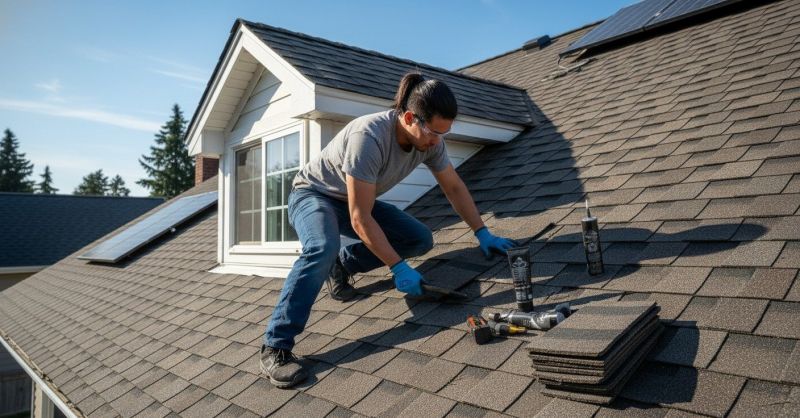


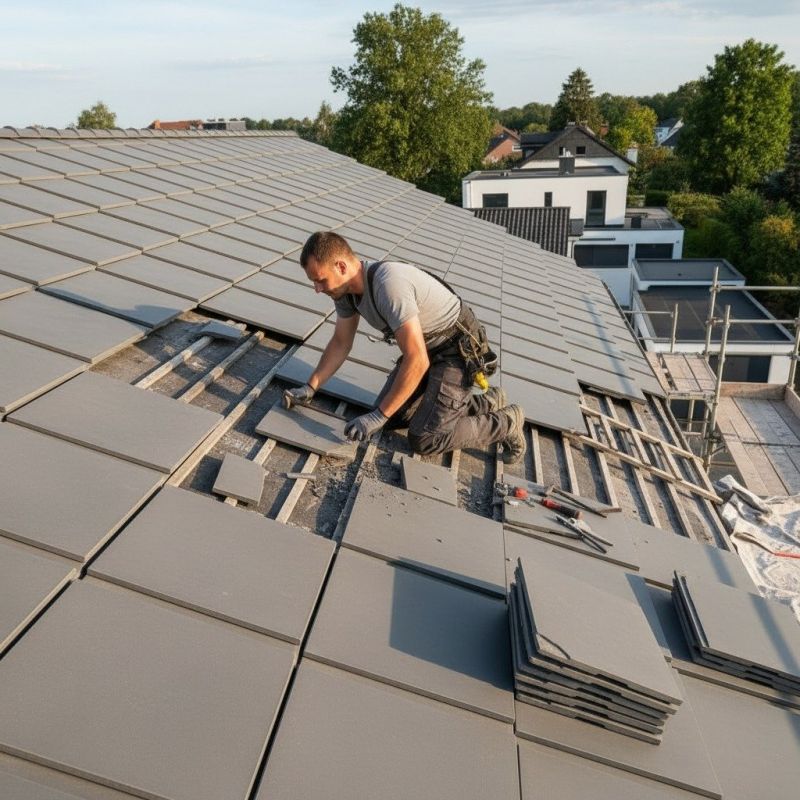
Use consistent comparison criteria across local contractors by clearly defining scope, verifying experience, and documenting expectations in writing.
- Scope Definition - Clearly outline the specific tasks and materials involved in the roof installation project.
- Material Selection - Identify the types of roofing materials to be used and ensure they meet the project requirements.
- Experience Verification - Confirm that local contractors have relevant experience with roof installation projects similar in scope.
- Work Specifications - Document detailed work requirements, including surface preparation, installation methods, and quality standards.
- Written Agreement - Establish a comprehensive scope of work in writing to set clear expectations with service providers.
When comparing contractors for roof installation, it is important to consider their experience with similar projects. Homeowners should inquire about the types of roofs the service providers have installed in the past, paying attention to projects comparable in size, style, and complexity to the current needs. Contractors with a history of handling comparable work are more likely to understand the specific challenges involved and deliver results that meet expectations. Gathering details about their previous projects can help assess whether a contractor’s background aligns with the scope of the roof installation required.
A clear, written scope of work is essential when evaluating potential service providers. Homeowners should request detailed descriptions of the work to be performed, including materials to be used, specific tasks involved, and any relevant project milestones. A comprehensive scope helps ensure that both parties have a shared understanding of what the project entails, reducing the risk of misunderstandings or overlooked responsibilities. Service providers who provide well-defined, written documentation demonstrate professionalism and a commitment to transparency.
Verification basics are crucial in the process of selecting a contractor. Homeowners should verify the credentials of potential service providers by checking references, reviewing their portfolio of completed projects, and confirming their reputation within the local community. Asking for references from previous clients can provide insights into the contractor’s reliability, quality of work, and adherence to project specifications. Additionally, confirming that the contractor has a history of successful projects similar in scope can help establish confidence in their capabilities.
Evaluating options without focusing on prices involves examining the quality of work, scope clarity, and experience of each contractor. Homeowners should compare the level of detail in each service provider’s proposals, the consistency of their project histories, and their ability to communicate clearly about the scope of work. It is also helpful to consider how well each contractor’s approach aligns with the homeowner’s expectations for the project. By focusing on these factors, homeowners can make informed decisions based on the strengths and professionalism of local contractors, rather than solely on cost considerations.
Ask contractors to provide written scope details to ensure clear expectations and consistent project understanding.
- Experience and Qualifications - What specific experience do the local contractors have with roof installation projects similar to yours?
- Scope of Work - How do the contractors define and outline the scope of the roof installation to ensure all aspects are covered?
- Materials and Methods - What materials and installation methods do the local service providers plan to use, and how do they compare?
- Project Expectations - How will the scope and process be documented to set clear expectations before work begins?
- Comparison Criteria - What criteria should be used to compare different local contractors’ approaches and scope definitions?
What should I consider when choosing a contractor for roof installation? It's important to compare local contractors based on their experience, reputation, and the scope of services they offer to ensure they meet the specific needs of the roof project.
How can I verify a contractor's experience for roof installation? You can review their previous work, ask for references, and check if they have a history of completing similar roof installation projects successfully.
Why is it important to define the scope of work in writing? Having a clear, written scope helps set expectations, prevents misunderstandings, and provides a reference point for the project’s details and responsibilities.
What questions should I ask contractors during the selection process? Inquire about their experience with similar projects, the materials they recommend, and how they handle unforeseen issues during installation.
How can I compare different roof installation contractors effectively? Review their credentials, request detailed proposals, and consider their communication style and professionalism to determine how well they align with your project needs.
What role does communication play when working with a roof installation contractor? Effective communication ensures that project expectations are clear, changes are documented, and any concerns are addressed promptly throughout the process.
This page has highlighted the importance of clearly defining the scope of a roof installation project, verifying the experience of local contractors, and putting agreements in writing to set proper expectations. By understanding these key points, visitors can better navigate the process of selecting the right service providers for their roofing needs. Using the quote form to compare options allows for an informed approach to connecting with trusted local contractors who can handle the job.
To find suitable local contractors for roof installation, utilizing the quote form is an effective way to explore available options. It helps in comparing different service providers based on the scope of work and experience, ensuring that expectations are clearly communicated. Taking this step can support making well-informed decisions when choosing a local professional to handle the project.